20% off all tests
Spring sale
Get fresh insights into your health with code SPRING20. Ends midnight 30th April.
Get fresh insights into your health with code SPRING20. Ends midnight 30th April.
Blood tests are a quick and easy way to find answers about your health. Our tests allow you to test over 450 biomarkers to investigate your symptoms, monitor a condition, optimise your performance, or simply get peace of mind.
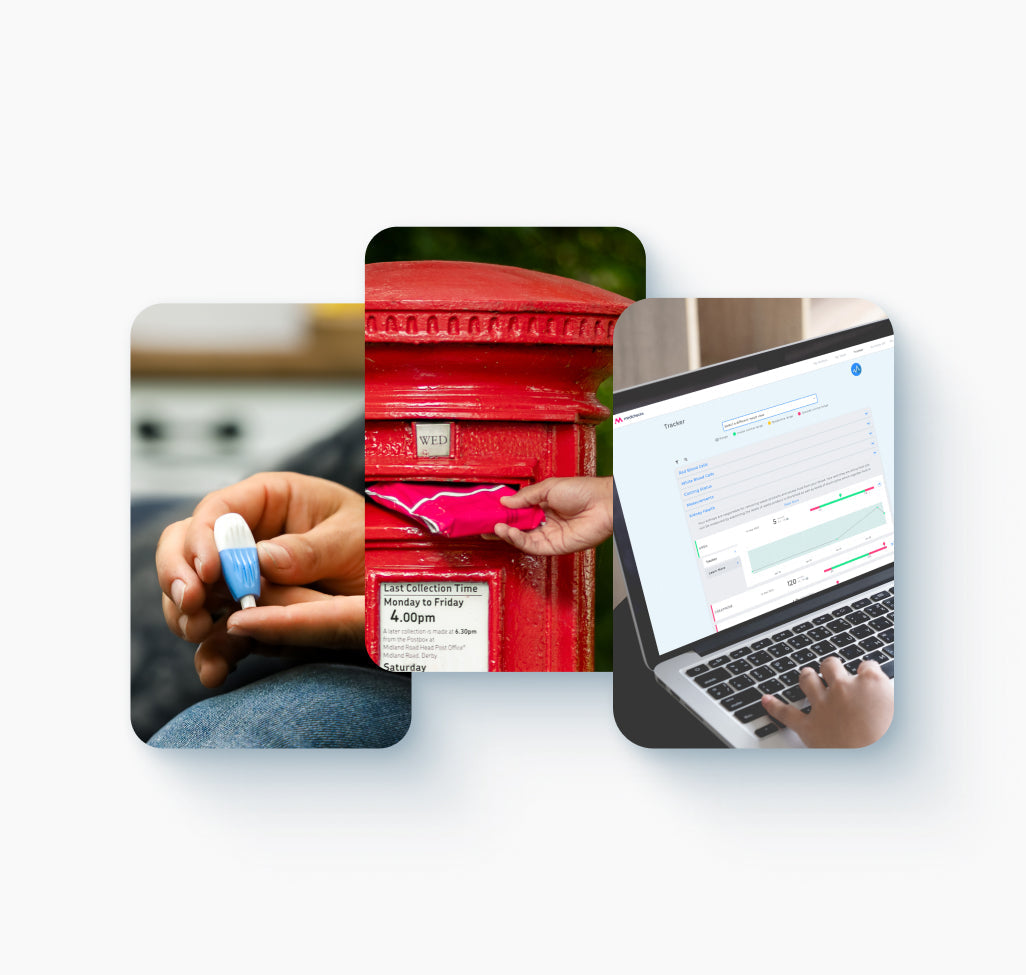
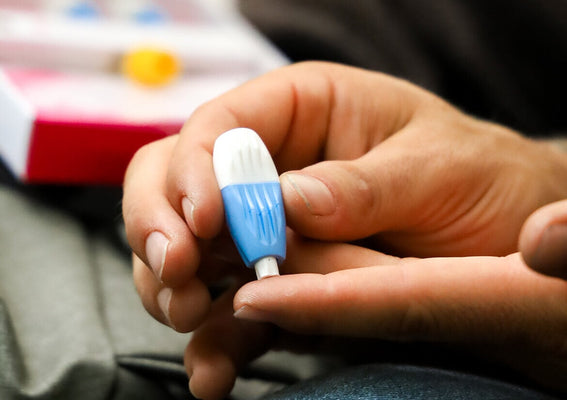
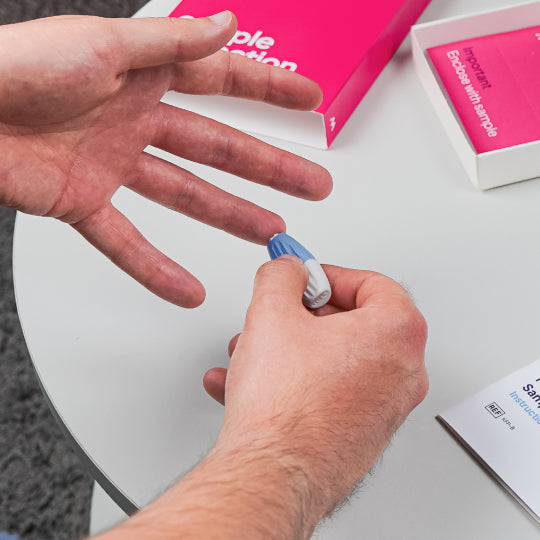
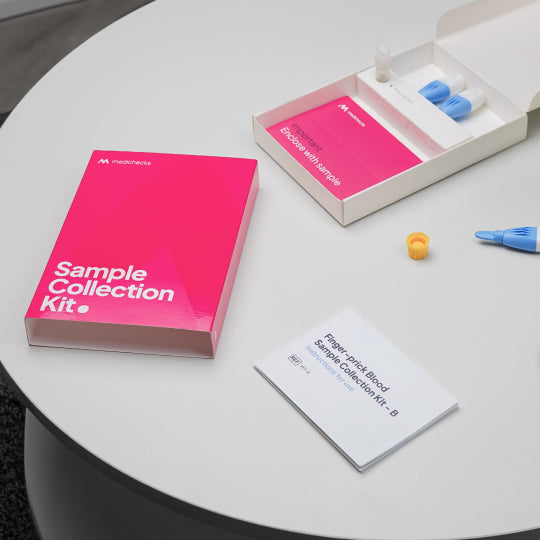
Your personalised, actionable health results are only a few clicks away. Order your test, take and post your sample, then view your results online with our doctors' comments.
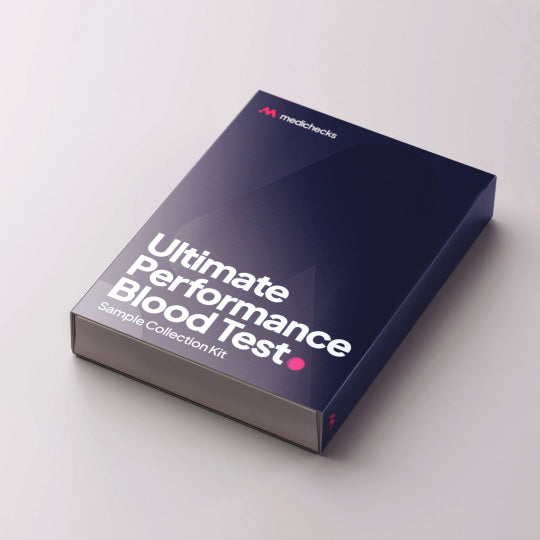
Get detailed insights into your current and future wellbeing with our most comprehensive panel, covering 58 biomarkers — the ultimate test for anyone dedicated to living longer in better health
Venous collection
Select testOur ultimate blood test for men and women gives you our most comprehensive health check, including advanced profiles for your hormone health, thyroid function, and sports nutrition
Venous collection
Select testGet comprehensive health insights including checks for thyroid function, hormones, vitamins and minerals, and cholesterol
Venous collection
Select testGet our most advanced blood test for men's health, which includes tests for diabetes, liver health, cholesterol status, testosterone, and vitamins for energy and well-being
Venous collection
Select test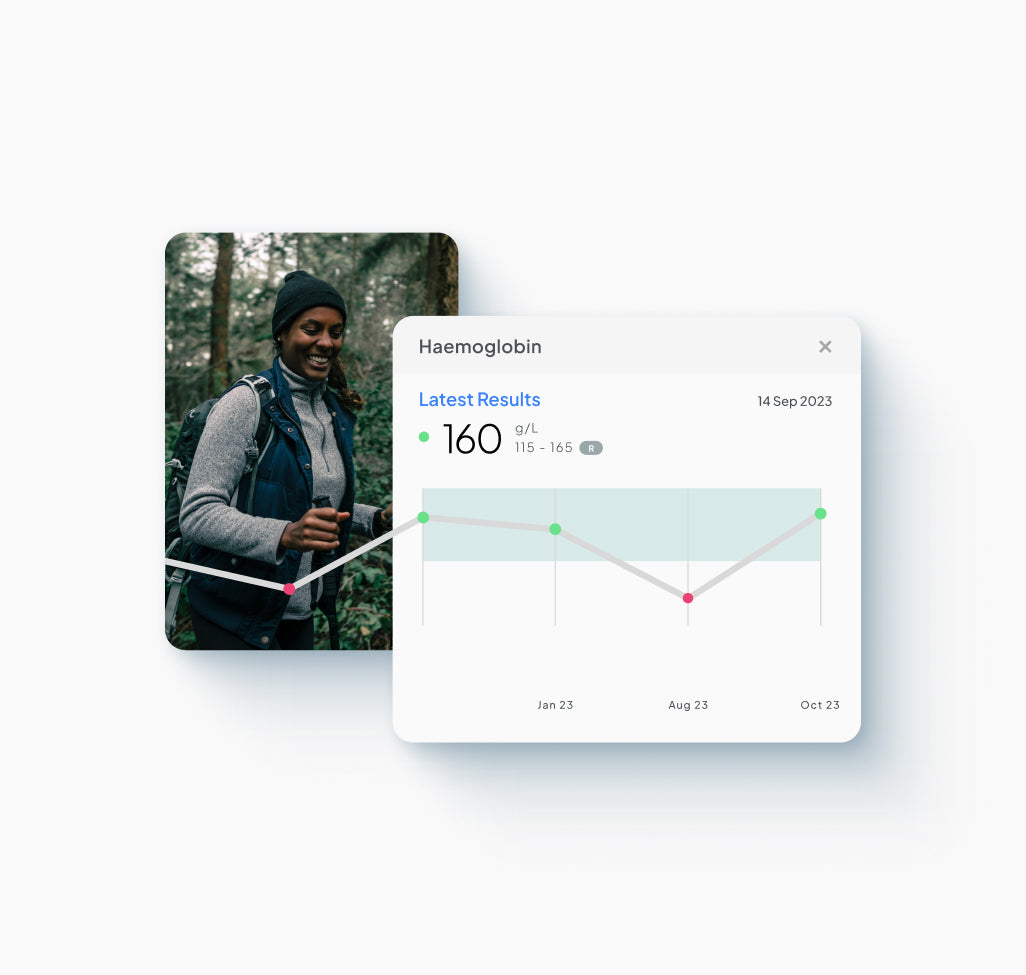
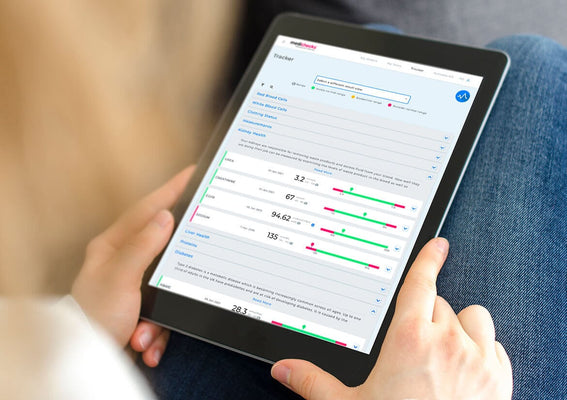
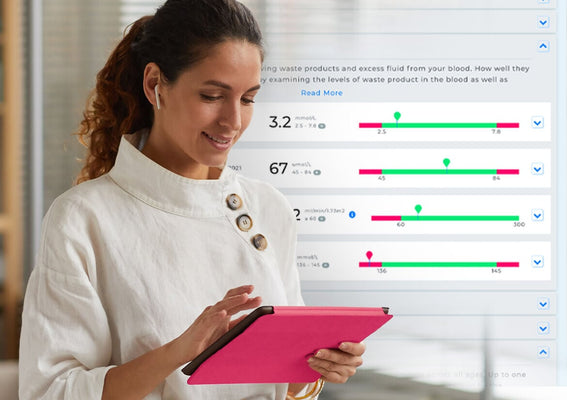
MyMedichecks is your personal online dashboard where you can view your results, access clear and simple explanations about individual health markers, monitor changes in your health, and securely store information about your medical history, lifestyle, and vital statistics.